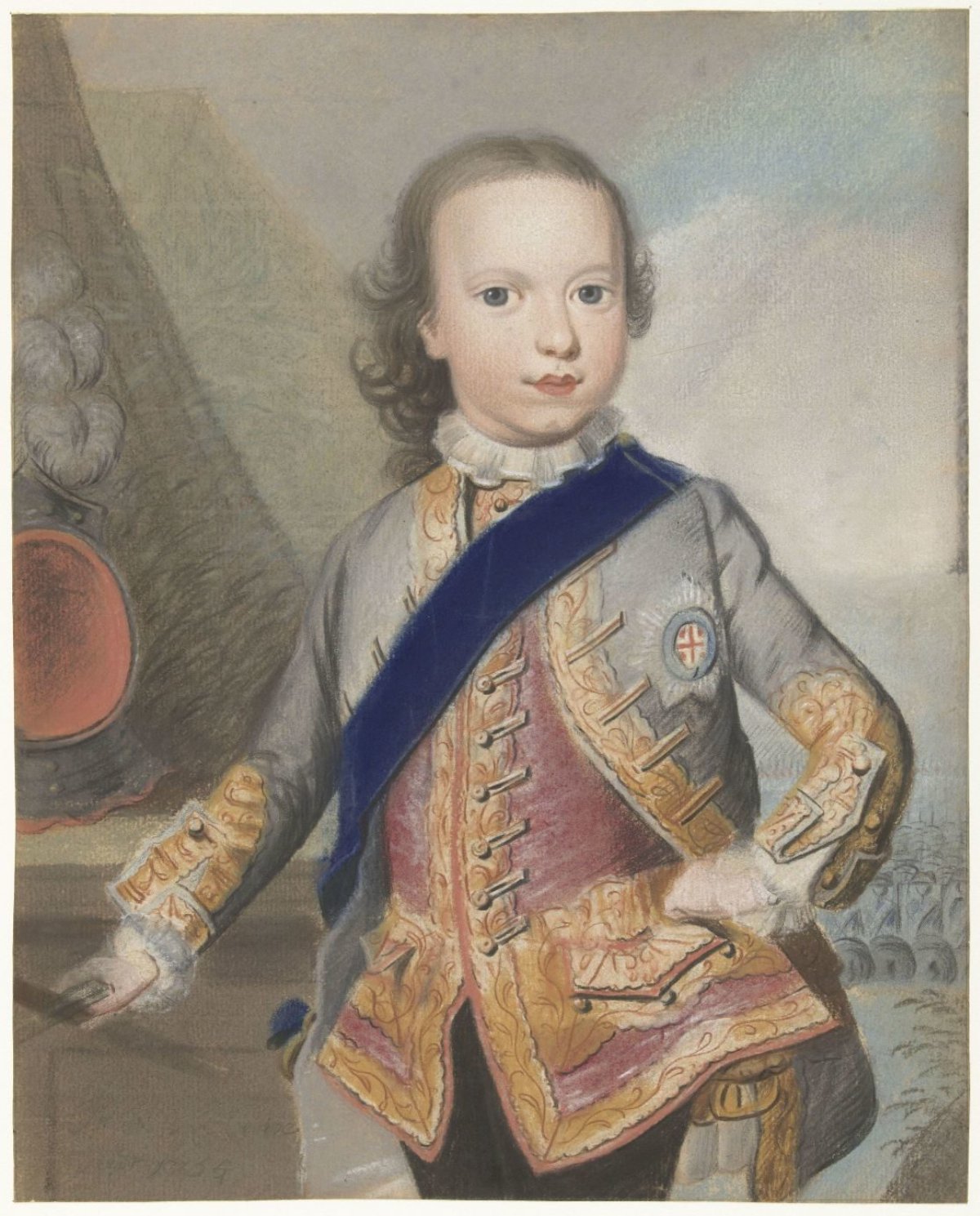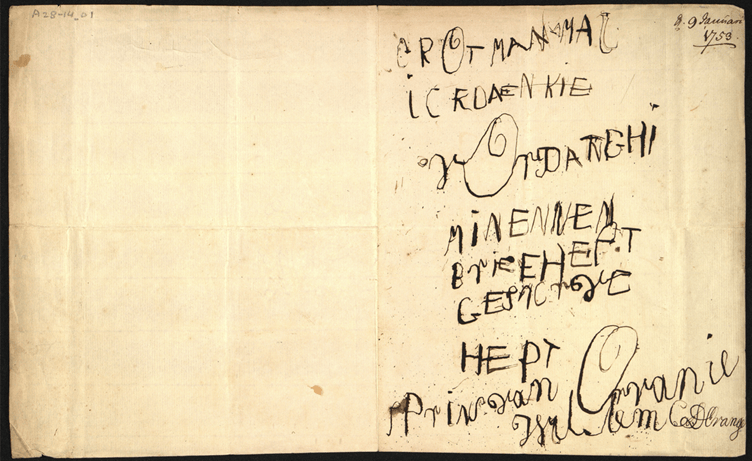
On the morning of 10 October 1732 a royal envoy from Leeuwarden was shown into a bedchamber at Karlsruhe castle. The woman he had come to see was twenty-two years old, newly widowed, and had not been out of bed for weeks. When he passed on the greetings of her mother and her brother, on whose orders he had been sent, she answered: ‘If I still have a mother and a brother, as they try to make me believe, why do they not assist me?’ [1] It is one of the very few moments in the entire archive in which Amelia van Nassau-Dietz speaks in her own voice.
Anna Charlotte Amelia van Nassau-Dietz was born in Leeuwarden on 2 October 1710, the first child of stadholder Johan Willem Friso and Maria Louise van Hessen-Kassel. [2] Her father drowned in the Hollands Diep in July 1711, before she could walk; her brother, the future stadholder Willem IV, was born that September. [3] Family and others around her call her an excellent pupil, quick of understanding and talented, but also note her melancholy and introversion. [4] Beyond these outlines, the record of her childhood is thin.
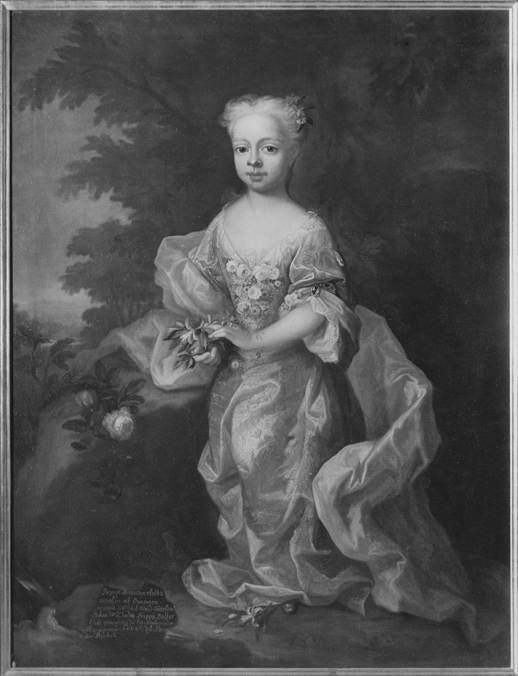
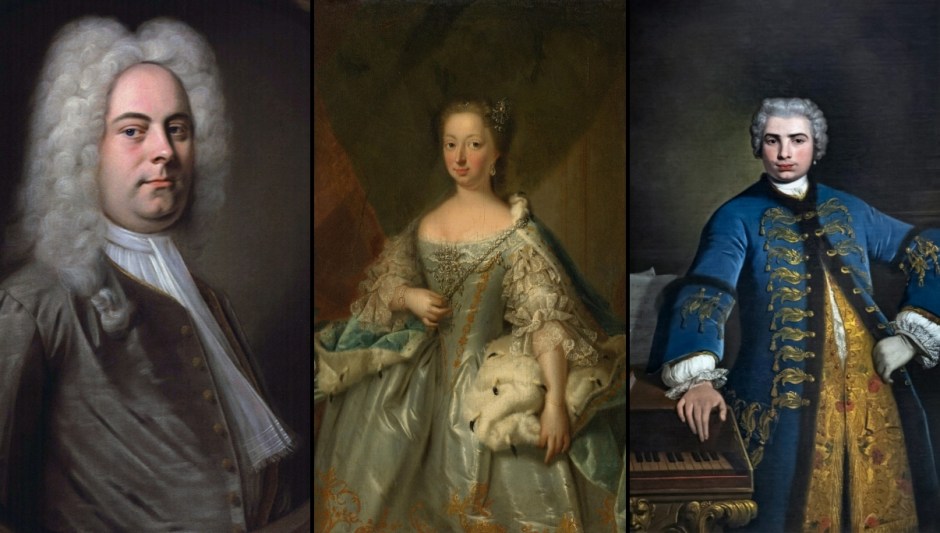
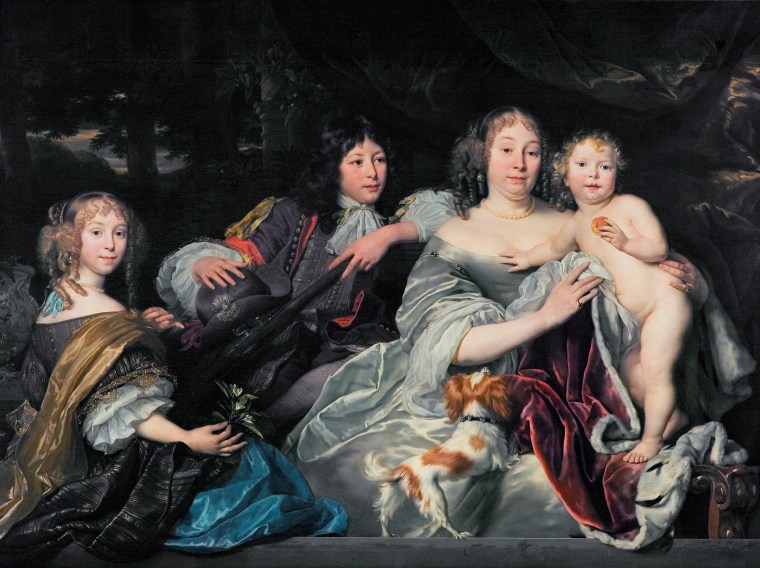
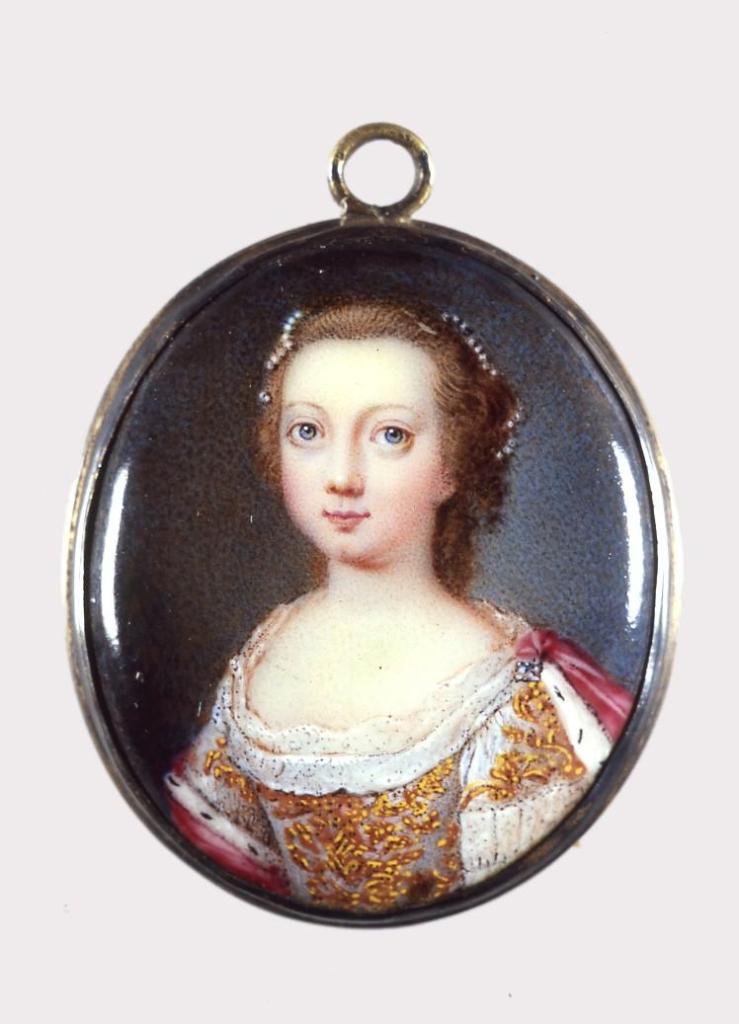
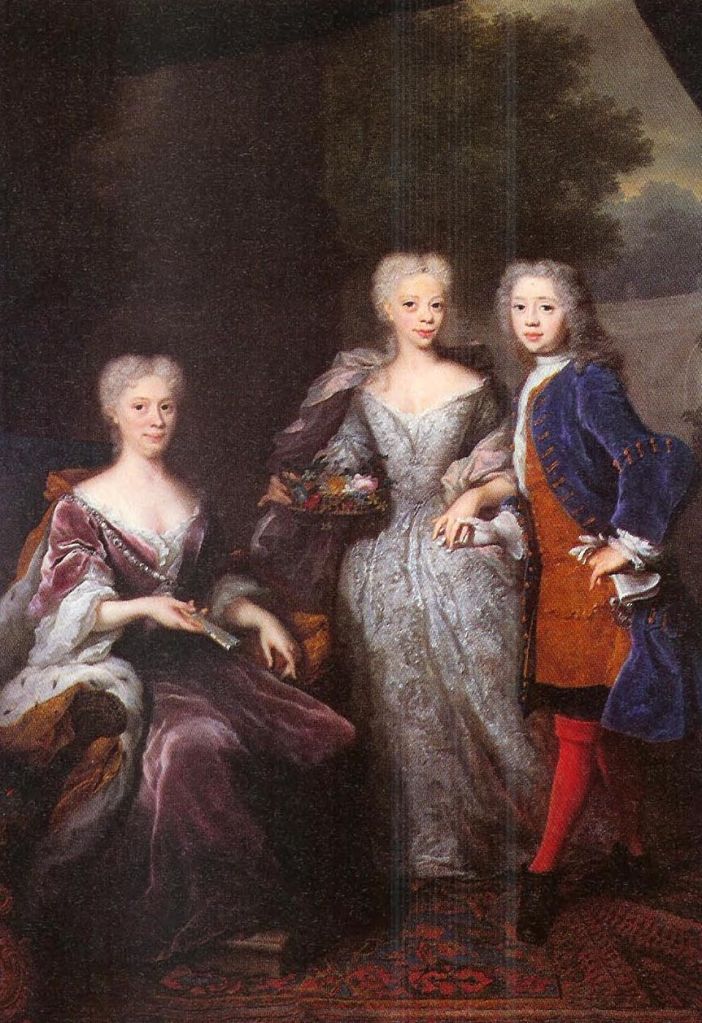
Unknown artist, Anna Charlotta Amalia, 1710–1777, prinsessa av Nassau-Dietz-Oranien, 18th century. Nationalmuseum, Gripsholm (inv. NMGrh 107), via Wikimedia Commons. Amelia as a child.
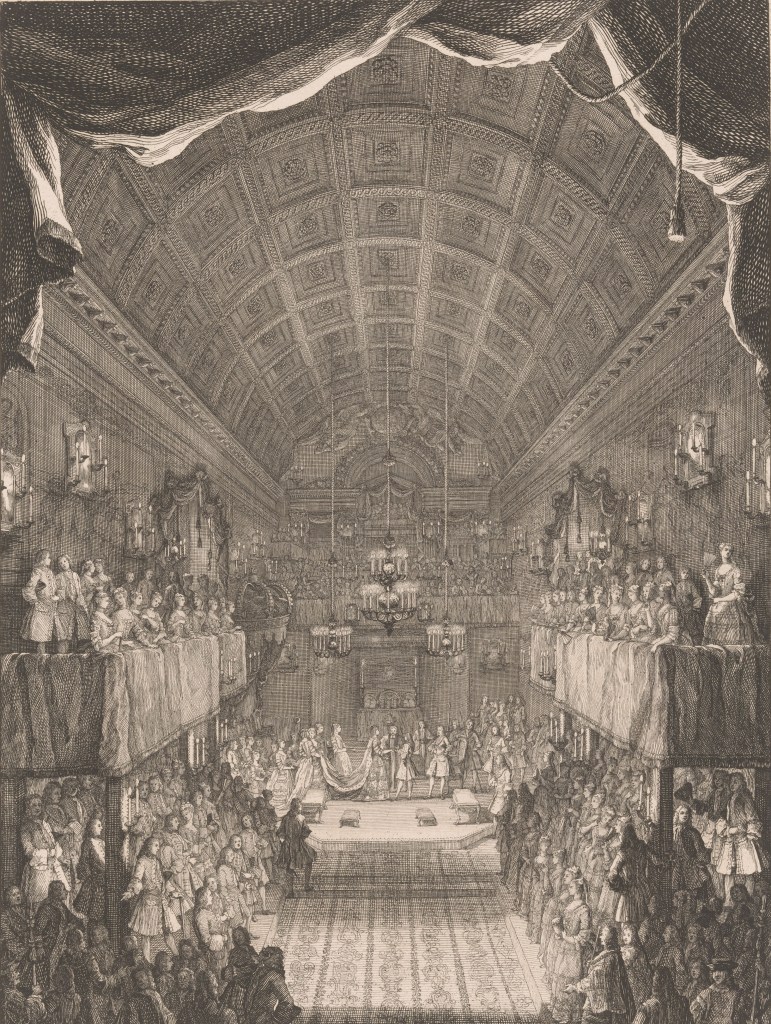
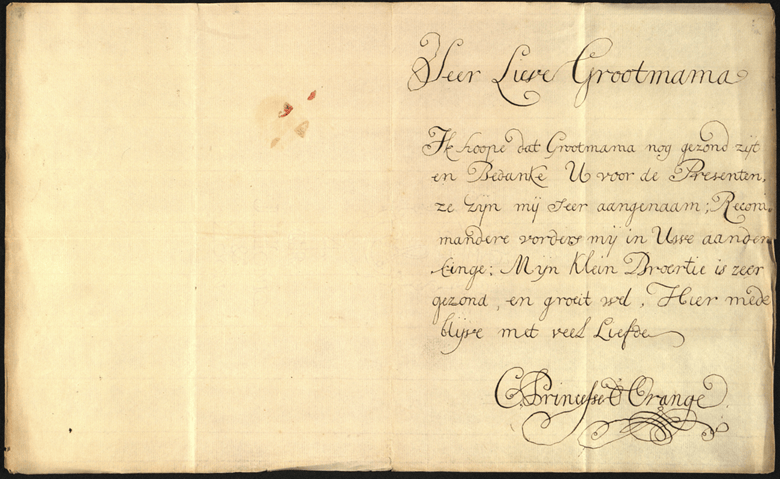
The search for a Protestant husband began when she was barely fifteen. [5] The choice fell on Friedrich, hereditary prince of Baden-Durlach, described as small and slight but greatly loved. [6] Hundreds of letters between the two survive from before the wedding, which are fond and deeply romantic. [7] They were married in Leeuwarden on 8 September 1727, when Amelia was not yet seventeen, and she followed her husband to Karlsruhe. [8] Three letters to her mother from these years survive: she is homesick, she suffers headaches that keep her from writing as often as she would have wished, and she finds her embroidery extremely difficult. [9], [10], [11]
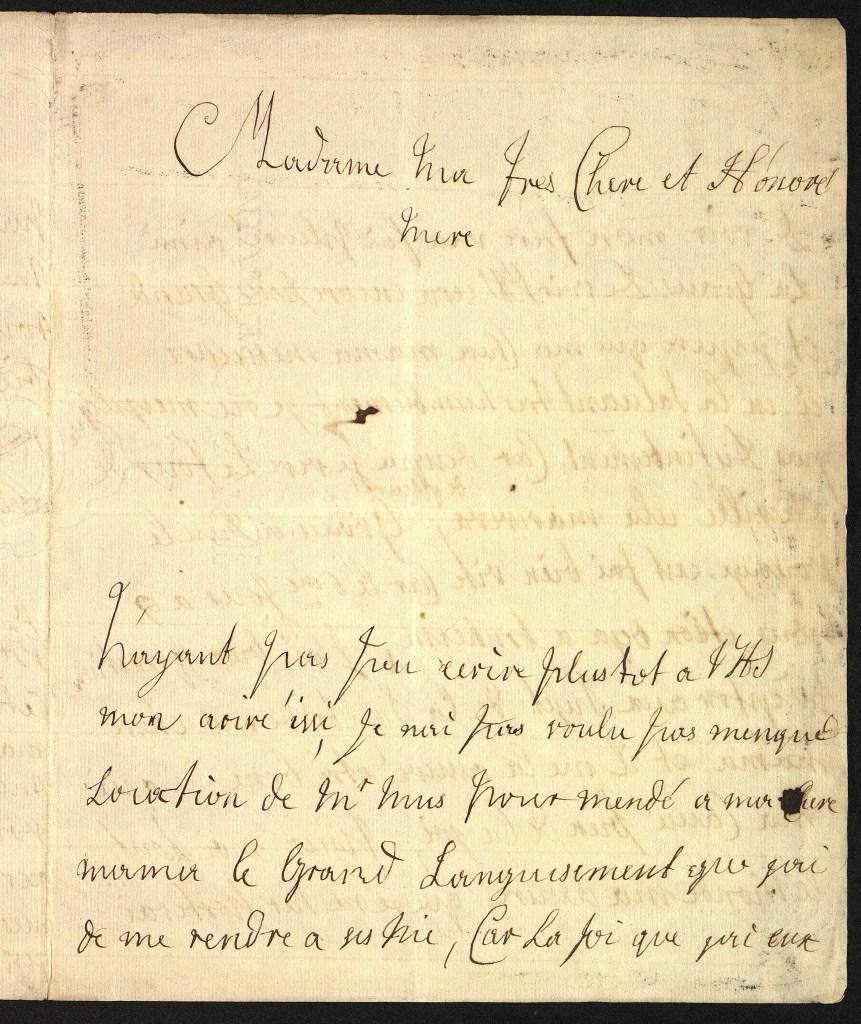
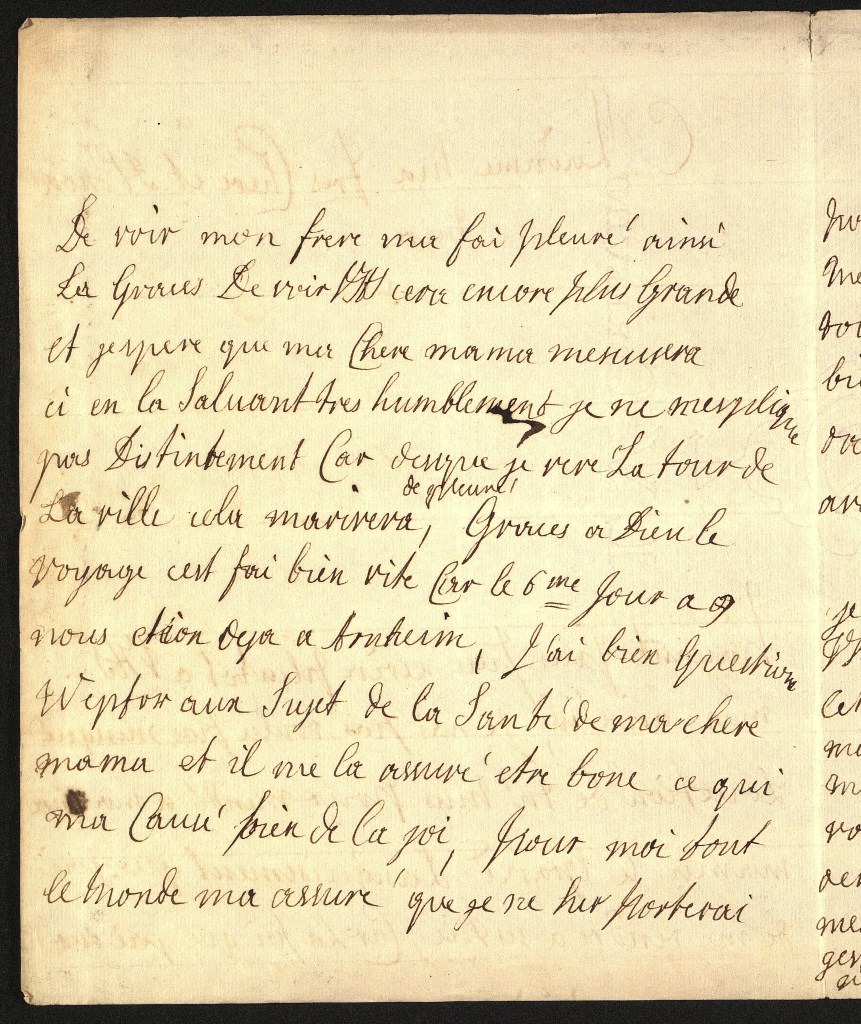
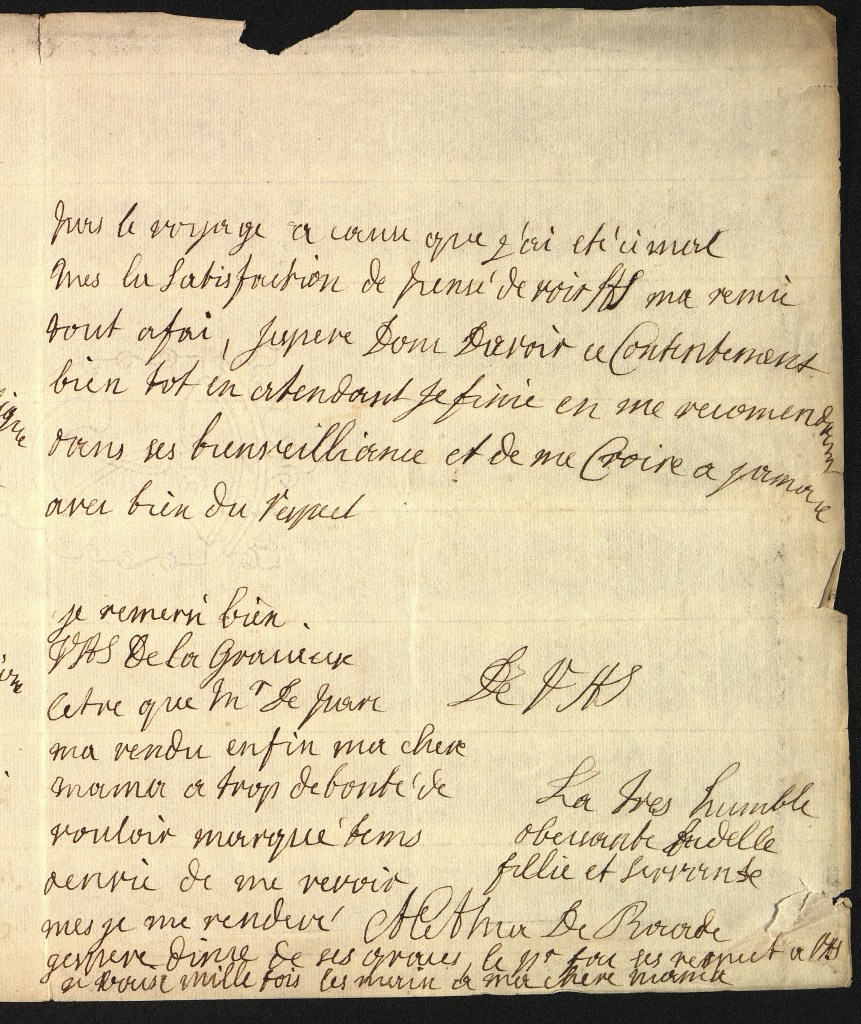
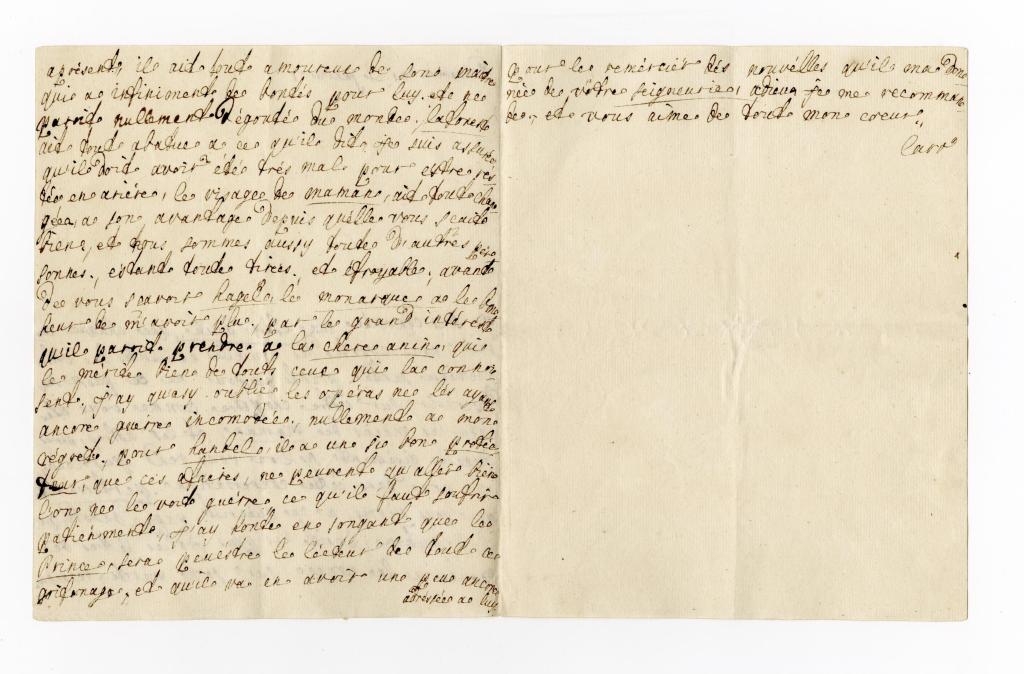
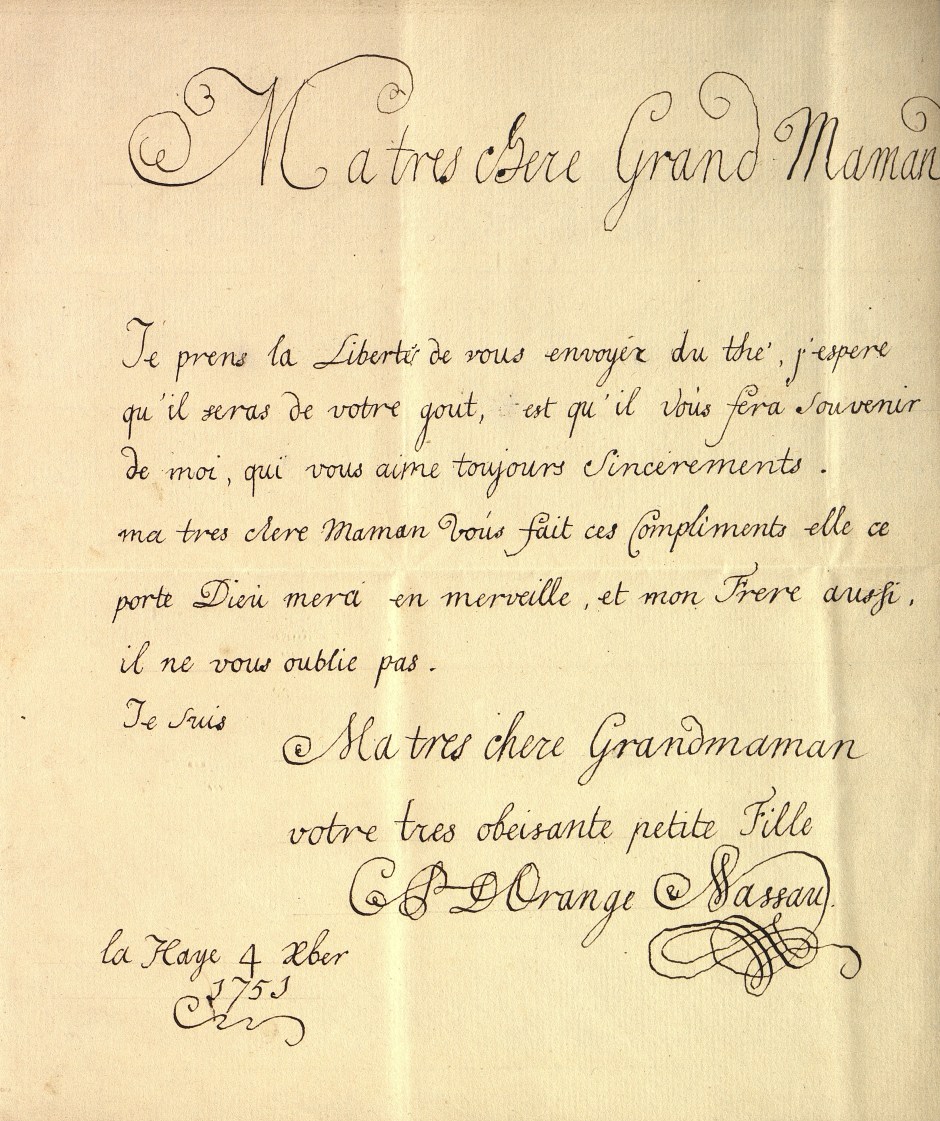
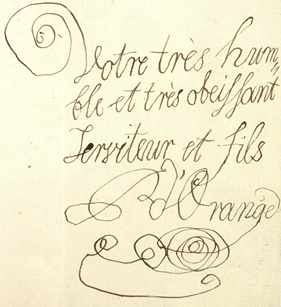
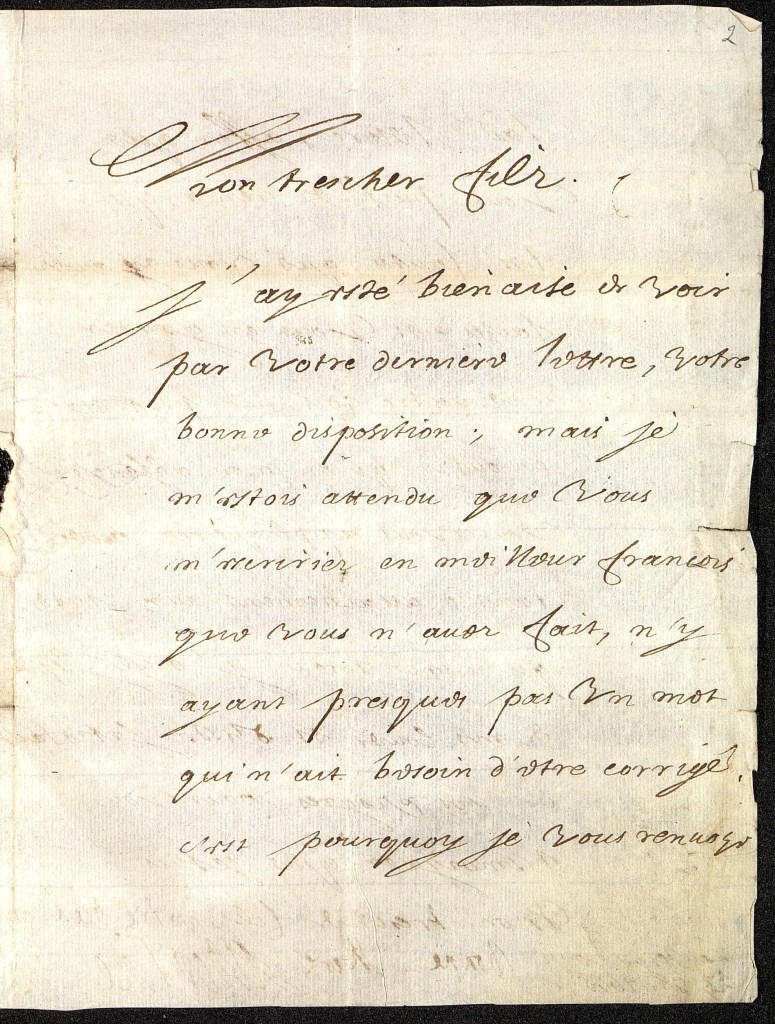
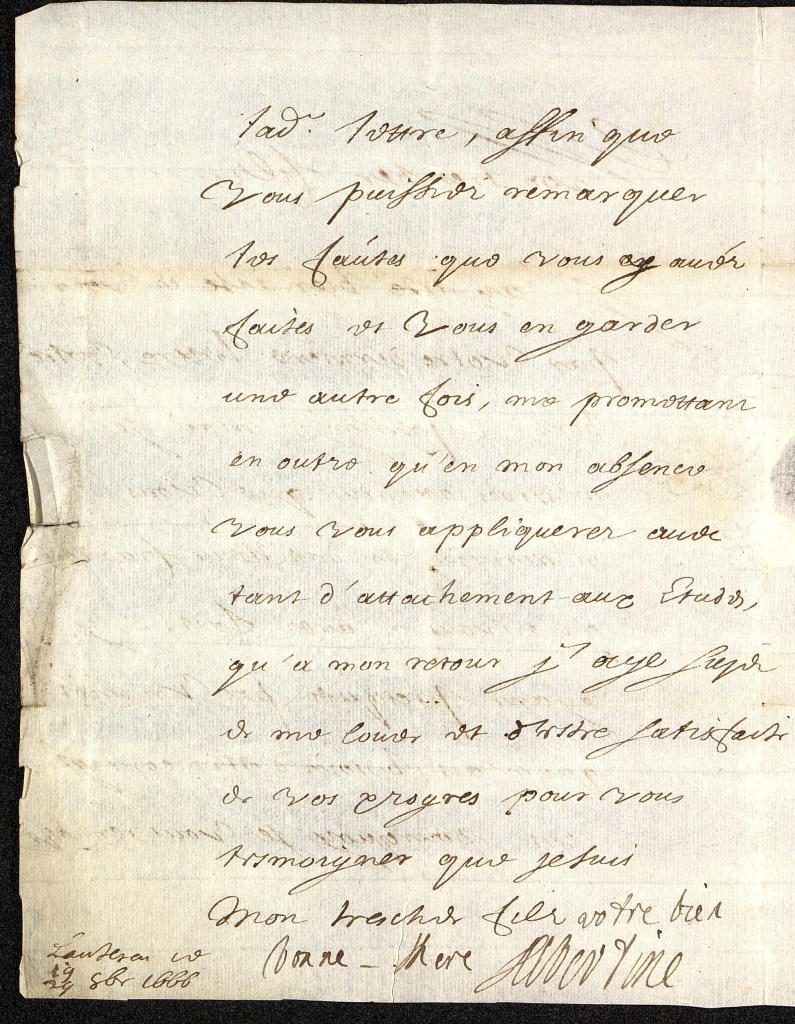
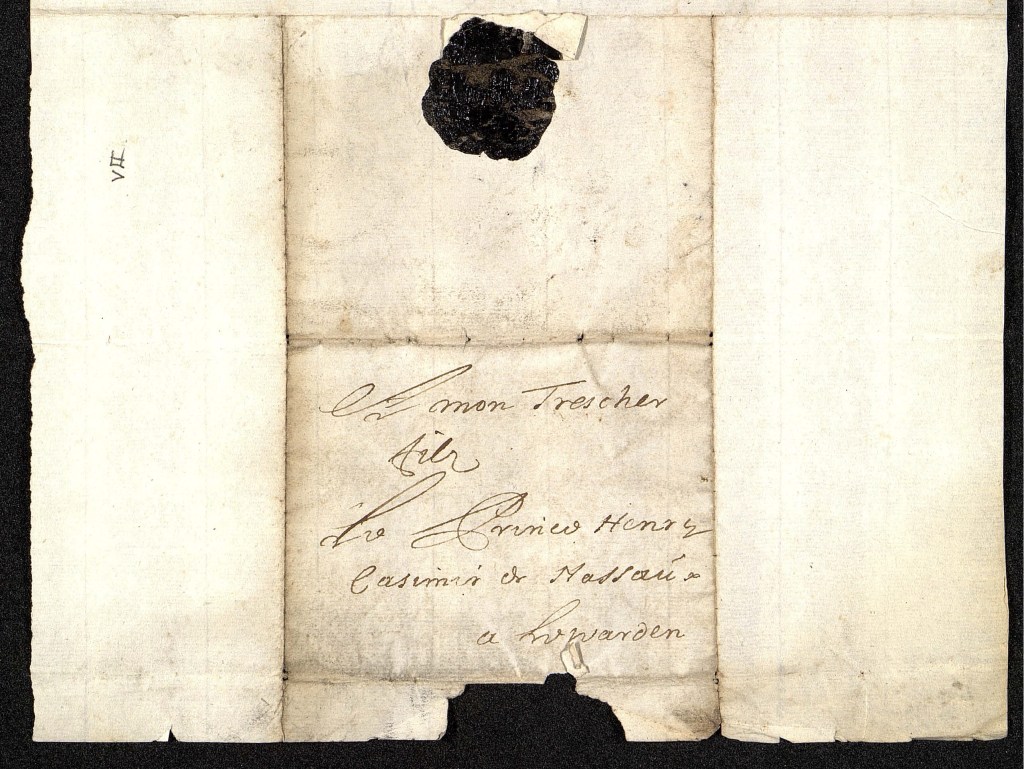
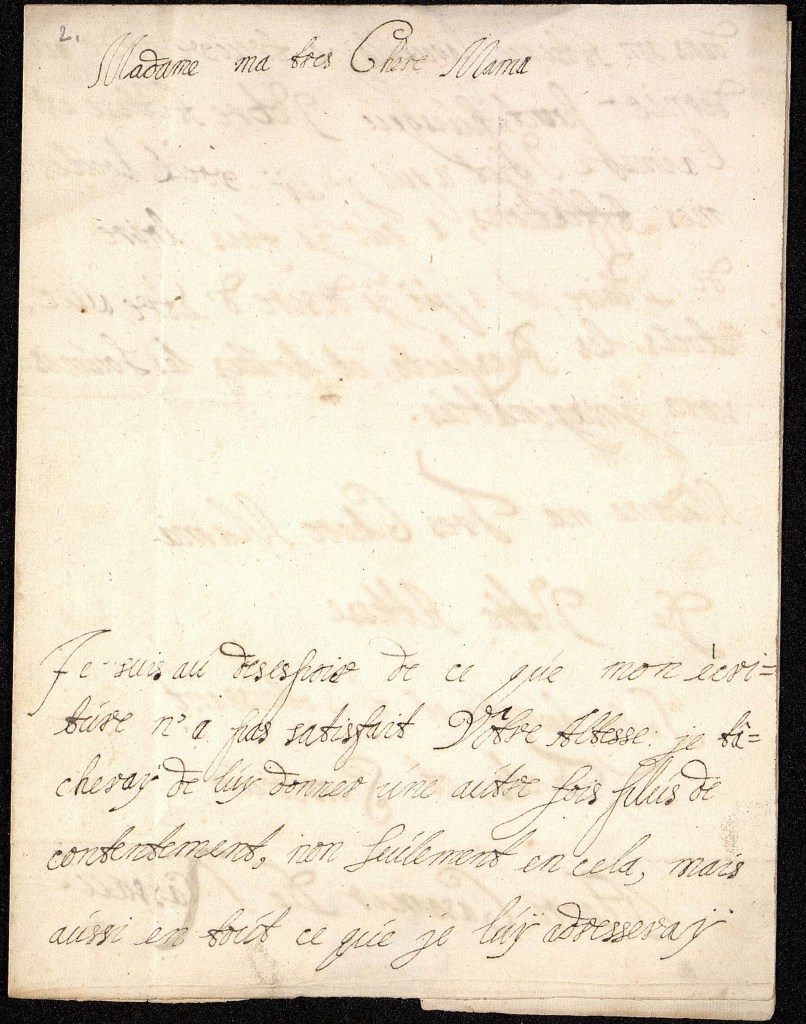
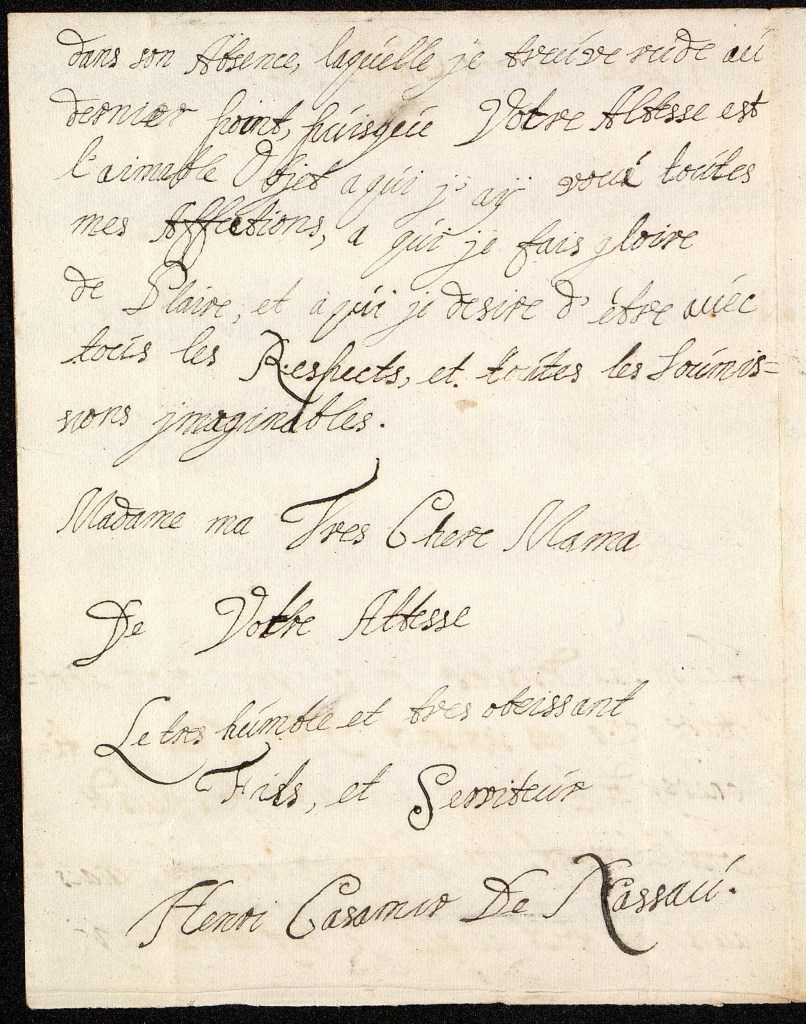
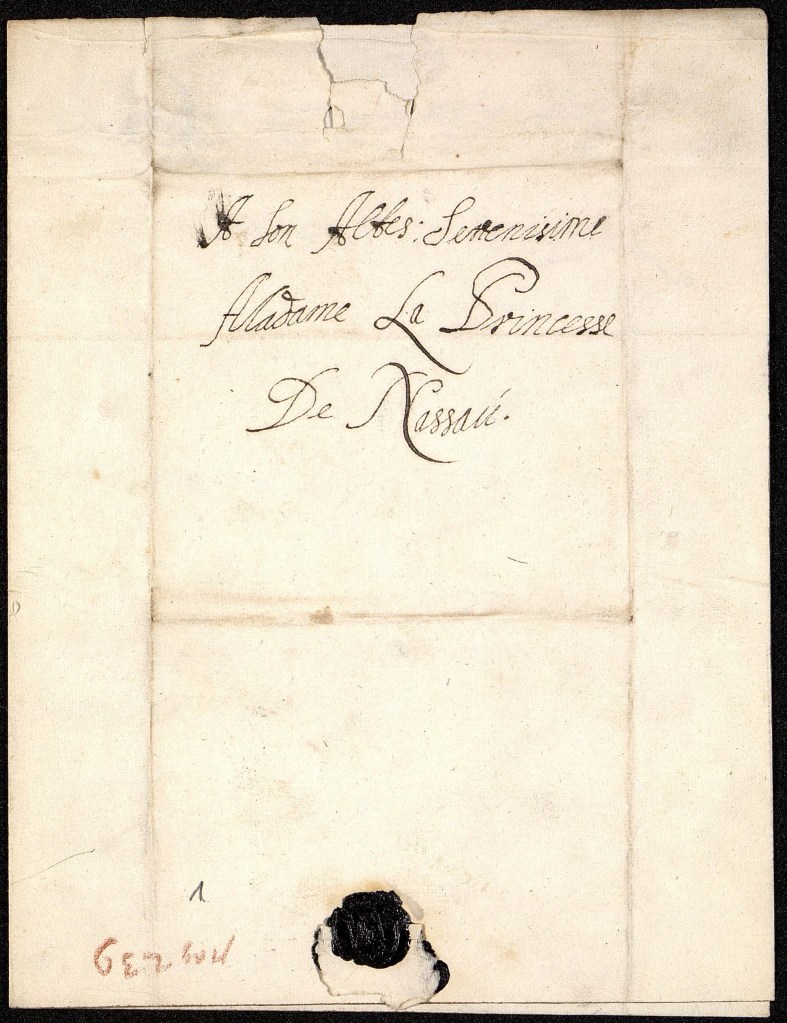
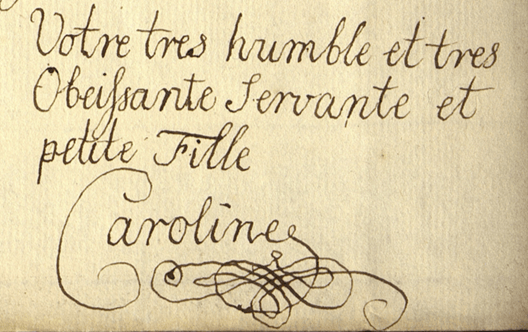
Undated letter from Amelia to Maria Louise, Koninklijke Verzamelingen, Den Haag, A28-012.
Shortly after the marriage, Amelia gave birth to two sons: Karl Friedrich in November 1728, the future Grand Duke of Baden, and Wilhelm Ludwig in January 1732, later governor of Arnhem. [12] From 1728 onwards, during and after her pregnancies, members of the Baden family wrote formally to both Maria Louise and Willem IV to report on Amelia’s mental state, which had worsened; she was described as prone to emotional outbursts, delusions, and sometimes violence. She had been confined with servants to care for her, and her children were under the care of her mother-in-law, the Margravine Magdalena Wilhelmina. [13]
Friedrich, by every surviving account, was devoted to his wife. On 11 February 1732 he wrote to Maria Louise in Leeuwarden that his wife’s spirit was ‘fort faible depuis la maladie’, very weak since her illness, and that she was ‘presque dans des rêveries continuelles’, continuously daydreaming. They were trying every remedy, he wrote, and Amelia took them very reluctantly; and he wrote that he hoped that God would help them. Friedrich asked Maria Louise, tenderly, to forgive her daughter’s past failings. [14] It is the only surviving letter in which Friedrich speaks to Maria Louise about Amelia’s condition.
The crisis of January and February 1732
The illness Friedrich was describing had begun on the night of 29 January 1732, shortly after the birth of Wilhelm Ludwig, her youngest son. By that evening, Amelia had fallen into what the court physician, Dr Sultzer, described as desperate thoughts: she believed herself poisoned and bewitched; that she had given birth to a child fathered by Satan. [15] In the days that followed the birth her condition deteriorated so fast that those around her lost almost all hope she would survive. Over the following weeks her physical health recovered. Her mind did not. [16]
The behaviour described in the reports from this period was extreme. At times, Amelia had to be physically restrained by her stronger chambermaids, who were given strict orders not to harm her but only to restrain her when necessary. [17]
The court preacher, Giesendorffer, recorded these periods of severe disturbance: he noted that she believed herself a Jewess, then a Catholic, then insisted she had wings and could fly through walls. Nonetheless, he also insisted that there were moments of lucidity in between. Due to this, he made an observation that would recur in every later account: ‘By all this, there is so much evident understanding and malice as derangement,’ he wrote, ‘that it is often impossible to determine which prevails’ – implying it was impossible to tell whether she was behaving this way on purpose, or truly ill. [18] The physician Wepfer added one observation to her behaviour during this crisis: that when she became agitated, she would react better to gentle coaxing than through reprimand. [19]
‘Not insignificantly hastened his premature death’
On 26 March 1732, Friedrich died after a three-day illness. [20] He was twenty-nine years old. His postmortem revealed two abscesses in the lungs and two growths on the heart. [21]
The formal condolence letters dispatched by Margrave Karl III Wilhelm, Friedrich’s father, on 28 March 1732 carried a serious allegation regarding the prince’s death. The chamberlain who brought the news to Leeuwarden made clear that Amelia’s ‘strange and almost incomprehensible conduct […] with the most grievous and bloody insults’ against the family and against Friedrich himself had ‘not insignificantly hastened his premature death.’ [22]
Maria Louise was in an extremely difficult position. Her daughter was being held, in official correspondence, partly responsible for hastening Friedrich’s death, and her own health did not allow her to travel to Durlach.[23] In March 1732 she wrote to the Margravine , enclosing a letter for Amelia with the request that it be handed over at a suitable moment, and asked to be told whether her daughter had shown any feeling about it.[24] She wrote often. There is no evidence that Amelia ever replied.
The mission: two tasks, one envoy
In the summer of 1732, Maria Louise and Willem IV prepared to send an envoy to Karlsruhe. His name was L.B. de Wülcknitz, a privy councillor based in Dietz who who had already been involved in Amelia’s affairs by February. [25] His commission had two distinct but intertwined purposes.
The first was diplomatic. Willem IV had concluded a partition treaty with the King of Prussia over the inheritance of William III of England. It required the formal accession of the Margrave of Baden-Durlach as guardian of Amelia and her sons, and the Margrave refused to accede without conditions. Amelia had given up her own claim to the Orange succession in her marriage contract as was customary, but only on condition that her brother left male children, so her position and that of her sons were at stake alongside her care.[26]
The second purpose was personal. Willem IV’s instruction of 31 August charged Wülcknitz to attend carefully to the treatment his sister was receiving, to raise any deficiencies with the Margravine, and to report to Maria Louise, precisely and in writing, on Amelia’s state and on how she was being governed.[27] He travelled with a Reformed minister named Rosenkrantz, who had been at Karlsruhe earlier that year and had built up a relationship of trust with Amelia.[28]
The roads between Dietz and Karlsruhe were flooded by weeks of heavy autumn rain. Wülcknitz arrived on 9 October 1732, later than planned. He stayed for eleven weeks and wrote to Maria Louise almost every week. [29]
The first meeting
On the morning of 10 October, Wülcknitz went first to Madame de Sancé, Amelia’s hofmeisterin, then sent Rosenkrantz ahead to her apartments. She recognised Rosenkrantz immediately. ‘Well then,’ she told him, ‘the fifteen days within which you promised to return have lasted a very long time.’[30]
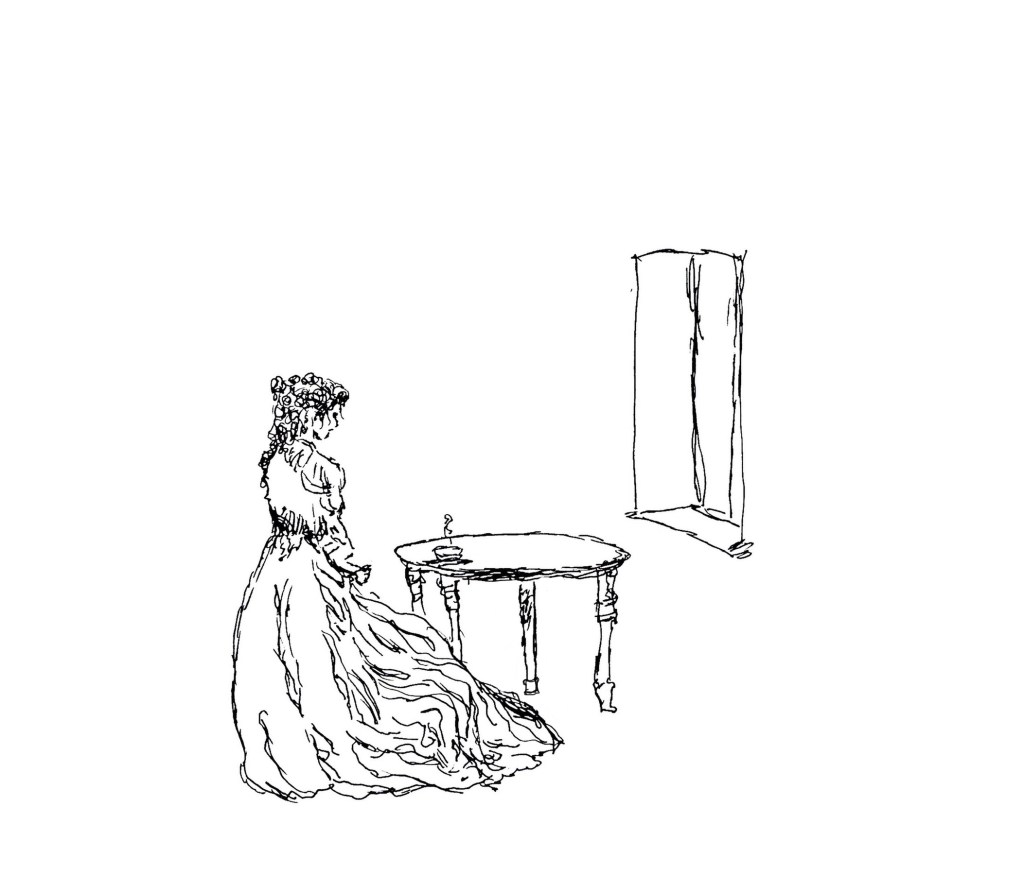
When Wülcknitz entered he found her in bed. She had been persuaded to rise the day before to receive visiting princes from Lausanne and had recognised them clearly. Her face, he noted, was not at all altered, and her eyes were not wandering.[31] Then he passed on the greetings from her mother and her brother, and received the answer with which this piece opens.[32]
He reported to Maria Louise that Amelia had lucid intervals. When conversation did not touch on her fixed ideas – principally her conviction that she was Catholic, and that she was of royal or imperial rank – she spoke reasonably and remained perfectly calm. Touching on either subject, however, caused immediate and severe agitation, and strict orders had been given that no one approaching her was to challenge her on either point.[33]
Rosenkrantz and his critics
Rosenkrantz worked around her fixed ideas rather than against them, building trust over time and using medicine alongside conversation. Wülcknitz defended him loyally and thought his influence the only part of her care that worked. At court he was accused of encouraging her Catholic fixation instead of correcting it.[34] Wülcknitz answered that these ideas were older than Rosenkrantz’s arrival: Amelia had been housed beside a Catholic church whose daily singing she could hear from her window, and four Roman Catholic servants had been in her household for months.[35]
Durlach and the allegation revisited
In his second week Wülcknitz drove to Durlach to see the Margravine. She told him that she had been deeply pained, as a mother, by the suggestion that Amelia was mostly to blame for her son’s death, but that she had forgiven her daughter-in-law wholeheartedly. Wülcknitz answered that Friedrich had always loved his wife, defended her constantly and never complained of her, and that the postmortem, conducted before the Margravine’s own ministers, had established natural causes enough. She appeared satisfied, and showed him the rooms being prepared for Amelia at Durlach: ground floor, close to her own apartments, large and well lit. [36]
The negotiations over the treaty, which ran in conference sessions with the Baden ministers throughout his ten weeks, ultimately failed. Wülcknitz reported to Willem IV that the Margrave had been persuaded by legally unfounded arguments, and advised patience. [37]
Maria Louise followed both strands of the mission from Leeuwarden, writing repeatedly to Wülcknitz and expressing both her anxiety about her daughter and her awareness that she could do little directly. ‘Maternal love and tenderness do not allow me to put this out of my thoughts,’ she wrote; ‘on the contrary, I am occupied with it day and night.’ [38]
October through December: a changing picture
Through October and November the reports gradually changed tone. In mid-October, after six weeks in which no one had managed to get her out of bed, Amelia rose, dressed with assistance and went for a carriage ride through Karlsruhe, to the delight of townspeople who still cherished the memory of Friedrich. Out of gratitude she gave Rosenkrantz the small crucifix of woven straw that she had kept with her constantly and until then refused to surrender to anyone. [39]
In the same period, she told those nearby that Wülcknitz did not wish her to be queen, or to go to Mass, and that he was therefore her enemy. And yet she also said, continually, something that he considered worth recording: ‘Ach, wenn man mich nur hielffe!’ – ‘Ah, if only someone would help me.’ [40]
By 27 November Wülcknitz was able to write that she was ‘calmer than ever before’ and spoke ‘with much good sense.’ He reported that those who had insisted they saw no improvement in her were now being obliged to admit publicly that things had changed. [41]
One incident from these weeks is among the most striking in the whole correspondence. On her elder son’s birthday Wülcknitz congratulated Amelia and spoke of the boy affectionately, and could read in her face that she was moved. Someone else was in the room, so she said nothing then; afterwards she told the chambermaids she trusted that the man her mother had sent gave good advice, but should take care not to be found on Prussian territory, because she believed her brother was in difficulties with the King of Prussia. [42]
The farewell
On the Sunday before his departure, after the sermon, Wülcknitz went to say goodbye to Amelia. He found himself alone with her for a moment. He asked whether she had anything she wished him to convey to her mother. She replied: ‘If, as you say, my mother is still alive, then when you see her, assure her of my most humble respects, and that they should take me out of this country where I absolutely do not wish to remain. I wish you a happy journey.’ [43]
After the mission: the long silence
A medical commission at Karlsruhe found no improvement in the spring of 1733. [44][49] Its collective opinion of 31 May named the difficult birth, a disordered diet during pregnancy and what the physicians called ideal causes, meaning habitual speculations and ambitions toward lofty things. It was, they wrote, a deeply rooted derangement of reason. They did not expect a cure. [45], [46] Late that year Amelia was moved to Durlach, where the Margravine assured Maria Louise that every care was taken not to provoke her. [47]
In the autumn of 1734 Willem IV visited his sister. Physicians sent ahead of him had reported that she spoke and responded sensibly and had asked to see her brother, and Maria Louise was relieved. [48] When her son reported back, the relief evaporated: the clarity had not lasted, and Amelia had fallen back dans un ‘Grand Neans’, into a great emptiness. Maria Louise added something the Wülcknitz letters do not contain. She hoped the children would be kept away from their mother entirely, since she could do them serious harm in her state. [49]
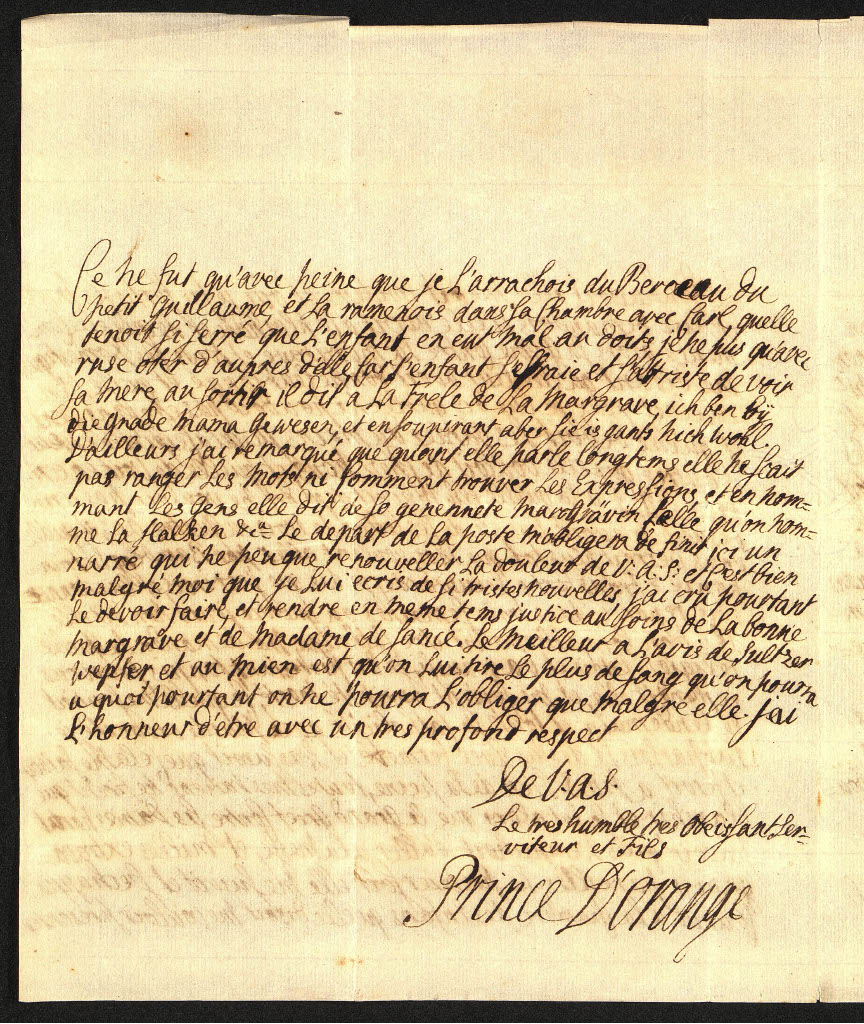
After 1734 the letters about Amelia became infrequent.
In January 1742, ten years after the crisis, a doctor named Naumann arrived claiming that his metallic water could cure Amelia within four weeks. The court’s senior physician Textor established by chemical analysis that it was a mercury solution in lavender water, and argued carefully against it. [50] The privy council noted that no treatment could well be undertaken without the knowledge of her mother. Maria Louise’s consent was still required, a decade onwards. [51]
After 1742, the surviving records offer little insight into Amelia’s life. She appears to have remained in Durlach, but it is unclear how her condition developed or to what extent she maintained contact with her family.
What the letters show
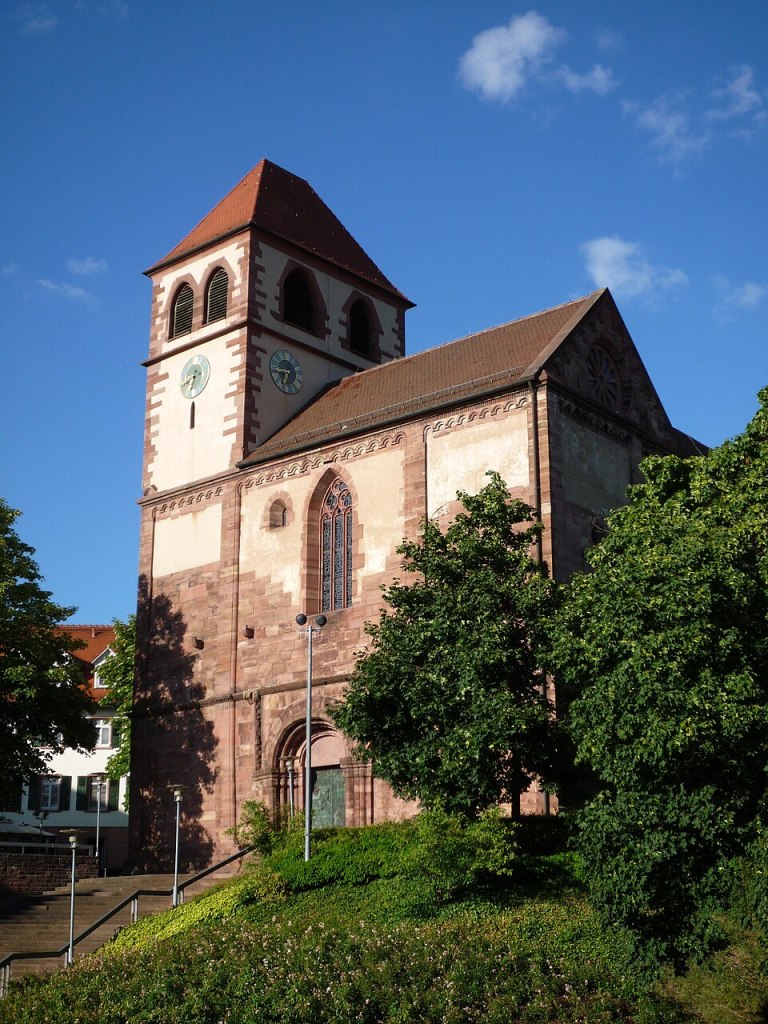
Amelia van Nassau-Dietz died on 17 September 1777, at sixty-six years old. [52] She was brought to Pforzheim and buried in the Baden familial crypt, under the church of St Michael. [53] Karl Friedrich would later become the Grand Duke of Baden; and Wilhelm Ludwig later became governor of Arnhem. [54]
We know about Amelia thanks to the people around her who wrote about her constantly: physicians, ministers, privy councillors, mothers, mothers-in-law, envoys. The documentation they produced survives across several archives. She wrote very little herself, amounting to letters to Friedrich prior to her marriage, and a few to her mother. Most of her words are relayed back by the officials who were sent to check on her. Among these are the words she gave Wülcknitz to carry back to Leeuwarden.
‘If, as you say, my mother is still alive, then when you see her, assure her of my most humble respects, and that they should take me out of this country where I absolutely do not wish to remain.’ [55]
Camille Kwendé, 17 October 2026
This account rests principally on two archives, supplemented by others. The papers of the Nassau family are held in the Koninklijke Verzamelingen (Royal Collections) in The Hague, whose fonds preserve the correspondence of three generations of the Frisian Nassaus: Amelia’s grandfather Hendrik Casimir II (A26), her father Johan Willem Friso (A27), her mother Maria Louise van Hessen-Kassel (A28), and her brother Willem IV (A29). Most of the letters drawn on here come from the archives of Maria Louise and Willem IV, which document Amelia’s marriage, her illness, and the negotiations that surrounded it. For her married life at the court of Baden-Durlach, the richest source is the Familienarchiv (FA) of the margraves and grand dukes of Baden in the Generallandesarchiv Karlsruhe (Landesarchiv Baden-Württemberg), which holds the medical reports, condolence letters, and court papers of her last years, as well as the records of her death and funeral; access to this material requires the permission of the Margrave of Baden. Amelia’s Frisian background is drawn from the Stadhouderlijk archief at Tresoar in Leeuwarden, a significant portion of which has recently been digitised and made available online, and information on her son Wilhelm Ludwig from documents at the Nationaal Archief in The Hague. The specific inventories consulted are listed below. Maria Louise’s correspondence will additionally become available through Early Modern Letters Online (EMLO) from next year.
The principal secondary literature is Annette Borchardt-Wenzel, Karl Friedrich von Baden: Mensch und Legende (Gernsbach 2006), a biography of Amelia’s son; B. Bilker, ‘Anna Charlotte Amelia 1710-1777, het ongelukkige leven van een Leeuwarder prinses’, Leovardia 5 (2001); and Marijke Bruggeman’s entry on Amelia in the Digitaal Vrouwenlexicon van Nederland and her book Nassau en de macht van Oranje (Hilversum 2007).
Archives Consulted
Koninklijke Verzamelingen, Den Haag (NL-HaKV)
- NL-HaKV, Koninklijke Verzamelingen, Den Haag, A26 Hendrik Casimir II, vorst van Nassau-Dietz (1657-1696), https://www.koninklijkeverzamelingen.nl/archief/a/a26.
- NL-HaKV, Koninklijke Verzamelingen, Den Haag, A27 Johan Willem Friso, Prins van Oranje (1687-1711), https://www.koninklijkeverzamelingen.nl/archief/a/a27.
- NL-HaKV, Koninklijke Verzamelingen, Den Haag, A28 Maria Louise, landgravin van Hessen-Kassel (1688-1765), https://www.koninklijkeverzamelingen.nl/archief/a/a28.
- NL-HaKV, Koninklijke Verzamelingen, Den Haag, A29 Willem IV, Prins van Oranje, vorst van Nassau (1711-1751), https://www.koninklijkeverzamelingen.nl/archief/a/a29.
Landesarchiv Baden-Württemberg, Generallandesarchiv Karlsruhe (LABW GLAK)
- Markgräfliches und Großherzogliches Familienarchiv (LABW GLAK: FA) http://www.landesarchiv-bw.de/plink/?f=4-1771536.
- 46, Haus- und Staatsarchiv: I. Personalia. http://www.landesarchiv-bw.de/plink/?f=4-1504
- 47, Haus- und Staatsarchiv: II. Haus- und Hofsachen. http://www.landesarchiv-bw.de/plink/?f=4-1506
- 55, Oberstallmeisteramt. http://www.landesarchiv-bw.de/plink/?f=4-1563
- 74, Baden Generalia. http://www.landesarchiv-bw.de/plink/?f=4-3276
Tresoar, Leeuwarden
- Toegang 7, Stadhouderlijk archief.
National Archive (NL-HaNA)
- Nationaal Archief, Den Haag, Raad van State, nummer toegang 1.01.19, inventarisnummer 1539 (commissieboek), folio 71v.
Notes
[1] Wülcknitz to Maria Louise, 10 October 1732, NL-HaKV: A28-123-001, https://resources.huygens.knaw.nl/media/stadhoudersvrouwen/mlvanhessenkassel/A28-123_001.pdf.
[2] Birth records for Amelia, LABW GLAK: 46 Nr. 6694;
Letters received by Johan Willem Friso regarding the birth of his daughter Anna Charlotte Amelia, NL-HaKV: A27-27, https://www.koninklijkeverzamelingen.nl/archievenoverzicht-online/file/110050127.
[3] Condolence letters to Maria-Louise, NL-HaKV: A28-301, https://www.koninklijkeverzamelingen.nl/archievenoverzicht-online/file/110048407.
[4] Notes on the births and baptisms of the children and grandchildren of Hendrik Casimir II and Henriette Amalia, NL-HaKV: A26-232, https://www.koninklijkeverzamelingen.nl/archievenoverzicht-online/file/110049723; Letters received by Johan Willem Friso around the birth of his daughter Anna Charlotte Amelia, NL-HaKV: A27-27, https://www.koninklijkeverzamelingen.nl/archievenoverzicht-online/file/110050127; Letters from Johan Willem Friso announcing the birth of Anna Charlotte Amelia, NL-HaKV: A27-28, https://www.koninklijkeverzamelingen.nl/archievenoverzicht-online/file/110050128; Letters from Maria Louise to various persons and governing bodies, NL-HaKV: A28-02, https://www.koninklijkeverzamelingen.nl/archievenoverzicht-online/file/110048097; Letters received from her son Willem IV, NL-HaKV: A28-06, https://www.koninklijkeverzamelingen.nl/archievenoverzicht-online/file/110048103; Letters received from unidentified persons, NL-HaKV: A28-51, https://www.koninklijkeverzamelingen.nl/archievenoverzicht-online/file/110048151; Letter from M. de Pechalbet of Oranjewoud reporting the arrival of Maria Louise’s children, NL-HaKV: A28-305, https://www.koninklijkeverzamelingen.nl/archievenoverzicht-online/file/110048412. LABW GLAK: FA 2, 2a, 4, 4a; Tresoar, Leeuwarden, toegang 7 Stadhouderlijk archief, inv. nrs 21-24, 71, 84, 129; B. Bilker, ‘Anna Charlotte Amelia 1710-1777, het ongelukkige leven van een Leeuwarder prinses’, Leovardia 5 (2001) 9-12; Marijke Bruggeman, ‘Amalia van Nassau-Dietz 1710-1777’, in: Digitaal Vrouwenlexicon van Nederland, https://resources.huygens.knaw.nl/vrouwenlexicon/lemmata/data/AmeliavanNassau; eadem, Nassau en de macht van Oranje: de strijd van de Friese Nassaus voor erkenning van hun rechten, 1702-1747 (Hilversum 2007).
[5] Marriage negotiations of Anna Charlotte Amelia and Friedrich of Baden-Durlach, NL-HaKV: A28-306, https://www.koninklijkeverzamelingen.nl/archievenoverzicht-online/file/110048413.
[6] Borchardt-Wenzel, Karl Friedrich von Baden: Mensch und Legende (Gernsbach 2006); B. Bilker, ‘Anna Charlotte Amelia 1710-1777, het ongelukkige leven van een Leeuwarder prinses’, Leovardia 5 (2001) 9-12.
[7] Friedrich’s correspondence with Amelia, her father, and her brother, LABW GLAK: FA 4 Corr 1.
[8] Marriage contract of Friedrich of Baden-Durlach and Anna Charlotte Amelia, NL-HaKV: A28-312, https://www.koninklijkeverzamelingen.nl/archievenoverzicht-online/file/110048419.
[9] Letter from Anna Charlotte Amelia to Maria Louise, NL-HaKV: A28-012-001, https://resources.huygens.knaw.nl/media/stadhoudersvrouwen/mlvanhessenkassel/A28-012_001.pdf;
[10] Letter from Anna Charlotte Amelia to Maria Louise, NL-HaKV: A28-012-002, https://resources.huygens.knaw.nl/media/stadhoudersvrouwen/mlvanhessenkassel/A28-012_002.pdf.
[11] Letter from Anna Charlotte Amelia to Maria Louise, NL-HaKV: A28-012-003, https://resources.huygens.knaw.nl/media/stadhoudersvrouwen/mlvanhessenkassel/A28-012_003.pdf.
[12] Birth of Margrave Karl Friedrich of Baden-Durlach, LABW GLAK: 46 Nr. 6881; Birth of Hereditary Prince Wilhelm Ludwig of Baden-Durlach, LABW GLAK: 46 Nr. 6938.
[13] Letters received by Maria Louise from her son Willem IV, NL-HaKV: A28-007, https://www.koninklijkeverzamelingen.nl/archievenoverzicht-online/file/110048104; Letters received by Maria Louise from her personal physician B. Wepfer, NL-HaKV: A28-294, https://www.koninklijkeverzamelingen.nl/archievenoverzicht-online/file/110048397; Willem IV’s correspondence with royal persons, NL-HaKV: A29-172, https://www.koninklijkeverzamelingen.nl/archievenoverzicht-online/file/110065798; Documents and correspondence concerning Amelia’s illness, LABW GLAK: FA 4a Pers 33.
[14] Friedrich of Baden-Durlach to Maria Louise, 11 February 1732, NL-HaKV: A28-012-004, https://resources.huygens.knaw.nl/media/stadhoudersvrouwen/mlvanhessenkassel/A28-012_004.pdf.
[15] Dr H.P. Sultzer, medical report, 10 March 1732, LABW GLAK: FA 4a Pers 33.
[16] ibidem.
[17] ibidem.
[18] Giesendorffer, court preacher’s report, c. March 1732, LABW GLAK: FA 4a Pers 33.
[19] Wepfer to the Baden court physician, 15 March 1732, LABW GLAK: FA 4a Pers 33.
[20] Magdalena Wilhelmina’s correspondence, including with Maria Louise, LABW GLAK: FA 2a Corr 6; Death of Friedrich of Baden-Durlach, 26 March 1732, LABW GLAK: 46 Nr. 6686.
[21] Letter from Wülcknitz to Maria Louise, 17 October 1732, NL-HaKV: A28-123-003, https://resources.huygens.knaw.nl/media/stadhoudersvrouwen/mlvanhessenkassel/A28-123_003.pdf.
[22] Condolence letter to Maria Louise from Margrave Karl III Wilhelm of Baden-Durlach, 28 March 1732, LABW GLAK: FA 4a Pers 33.
[23] Wepfer, medical opinion for Maria Louise, NL-HaKV: A28-294-001, https://resources.huygens.knaw.nl/media/stadhoudersvrouwen/mlvanhessenkassel/A28-294_001.pdf.
[24] Maria Louise to Margravine Magdalena Wilhelmina, 1 March 1732, enclosing letter for Amelia, LABW GLAK: FA 4a Pers 33.
[25] Wülcknitz to unnamed noblewoman at the Baden court, 19 February 1732, LABW GLAK: FA 4a Pers 33.
[26] Instructions for Wülcknitz, 22 September 1732, NL-HaKV: A29-49-16, https://www.koninklijkeverzamelingen.nl/archievenoverzicht-online/file/110049448.
[27] Instructions for Wülcknitz, 31 August 1732, NL-HaKV: A29-49-16, https://www.koninklijkeverzamelingen.nl/archievenoverzicht-online/file/110049448.
[28] Official release of Pastor Rosenkrantz by the court at Wied-Runkel, 30 September 1732, NL-HaKV: A29-49-16, https://www.koninklijkeverzamelingen.nl/archievenoverzicht-online/file/110049448.
[29] Wülcknitz to Maria Louise, 10 October 1732, NL-HaKV: A28-123-001, https://resources.huygens.knaw.nl/media/stadhoudersvrouwen/mlvanhessenkassel/A28-123_001.pdf.
[30] ibidem.
[31] ibidem.
[32] ibidem.
[33] ibidem.
[34] Wülcknitz to Maria Louise, 10 October 1732, NL-HaKV: A28-123-002, https://resources.huygens.knaw.nl/media/stadhoudersvrouwen/mlvanhessenkassel/A28-123_002.pdf.
[35] ibidem.
[36] Wülcknitz to Maria Louise, 17 October 1732, NL-HaKV: A28-123-003, https://resources.huygens.knaw.nl/media/stadhoudersvrouwen/mlvanhessenkassel/A28-123_003.pdf.
[37] Wülcknitz, final report on the accession negotiations, 21 December 1732, NL-HaKV: A29-49-16, https://www.koninklijkeverzamelingen.nl/archievenoverzicht-online/file/110049448.
[38] Maria Louise to Wülcknitz, various letters October-December 1732, NL-HaKV: A29-49-16, https://www.koninklijkeverzamelingen.nl/archievenoverzicht-online/file/110049448.
[39] Wülcknitz to Maria Louise, 17 October 1732, NL-HaKV: A28-123-003, https://resources.huygens.knaw.nl/media/stadhoudersvrouwen/mlvanhessenkassel/A28-123_003.pdf.
[40] Wülcknitz to Maria Louise, 31 October 1732, NL-HaKV: A28-123-004, https://resources.huygens.knaw.nl/media/stadhoudersvrouwen/mlvanhessenkassel/A28-123_004.pdf.
[41] Wülcknitz to Maria Louise, 27 November 1732, NL-HaKV: A28-123-006, https://resources.huygens.knaw.nl/media/stadhoudersvrouwen/mlvanhessenkassel/A28-123_006.pdf.
[42] ibidem.
[43] Wülcknitz to Maria Louise, 27 December 1732, NL-HaKV: A28-123-007, https://resources.huygens.knaw.nl/media/stadhoudersvrouwen/mlvanhessenkassel/A28-123_007.pdf.
[44] Protocol of examination of Bender, May 1733, NL-HaKV: A29-49-16, https://www.koninklijkeverzamelingen.nl/archievenoverzicht-online/file/110049448.
[45] Medical opinion on Amelia’s condition, 31 May 1733, LABW GLAK: FA 4a Pers 33.
[46] Bender, Surgeon, report to Wülcknitz, 30 March & 13 April 1733, NL-HaKV: A28-123-009, https://resources.huygens.knaw.nl/media/stadhoudersvrouwen/mlvanhessenkassel/A28-123_009.pdf.
[47] Margravine Magdalena Wilhelmina to Maria Louise, 18 October 1733, NL-HaKV: A28-059-001, https://resources.huygens.knaw.nl/media/stadhoudersvrouwen/mlvanhessenkassel/A28-059_001.pdf.
[48] Maria Louise to Willem IV, 3 August 1734, NL-HaKV: A29-170a, https://www.koninklijkeverzamelingen.nl/archievenoverzicht-online/file/110049438.
[49] Maria Louise to Willem IV, 12 May 1734, NL-HaKV: A29-170a, https://www.koninklijkeverzamelingen.nl/archievenoverzicht-online/file/110049438.
[50] Medical opinion of Dr Textor on the Naumann remedy, January 1742, LABW GLAK: FA 4a Pers 33.
[51] Privy Council extract, 11 January 1742, LABW GLAK: FA 4a Pers 33.
[52] Certified extract from the castle church register, record of Amelia’s death, LABW GLAK: 46 Nr. 6690.
[53] Church procession after Amelia’s death, LABW GLAK: 74 Nr. 4469; Funeral Procession of the Baden-Durlach family, including Amelia’s, LABW GLAK: 55 Nr. 52.
[54] Regency of Margrave Karl Friedrich of Baden-Durlach, LABW GLAK: 46 Nr. 6887;
Governorship of Hereditary Prince Wilhelm Ludwig of Baden-Durlach, NL-HaNA, Raad van State, 1.01.19, inv. nr. 1539, fol. 71v.
[55] Wülcknitz to Maria Louise, 27 December 1732, NL-HaKV: A28-123-007, https://resources.huygens.knaw.nl/media/stadhoudersvrouwen/mlvanhessenkassel/A28-123_007.pdf.